Best AI SEO & Analytics Tools That Actually Help You Rank and Grow Organic Traffic (2026)
SEO without proper tools is mostly guessing. You do not know which keywords you can realistically rank for, why competitors are outranking you, what content Google thinks is missing from your pages, or whether your technical setup is silently blocking your rankings. AI SEO tools change this from guesswork into a process. They find keywords your competitors rank for that you do not, show you exactly what to add to a page to improve its ranking, monitor your positions daily, and flag technical issues before they cost you traffic. We have tested 35+ AI SEO and analytics tools. This list covers what professional SEO teams actually use — not just the tools with the biggest marketing budgets.
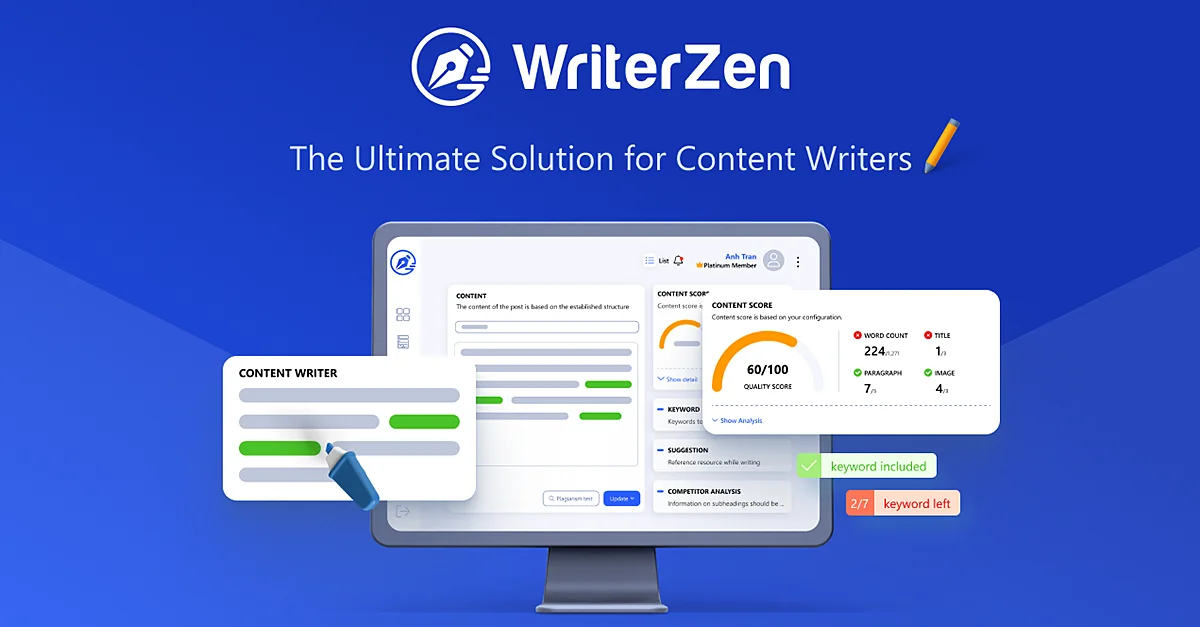
AI-Powered Content Writing, Keyword Research & SEO Optimization Platform
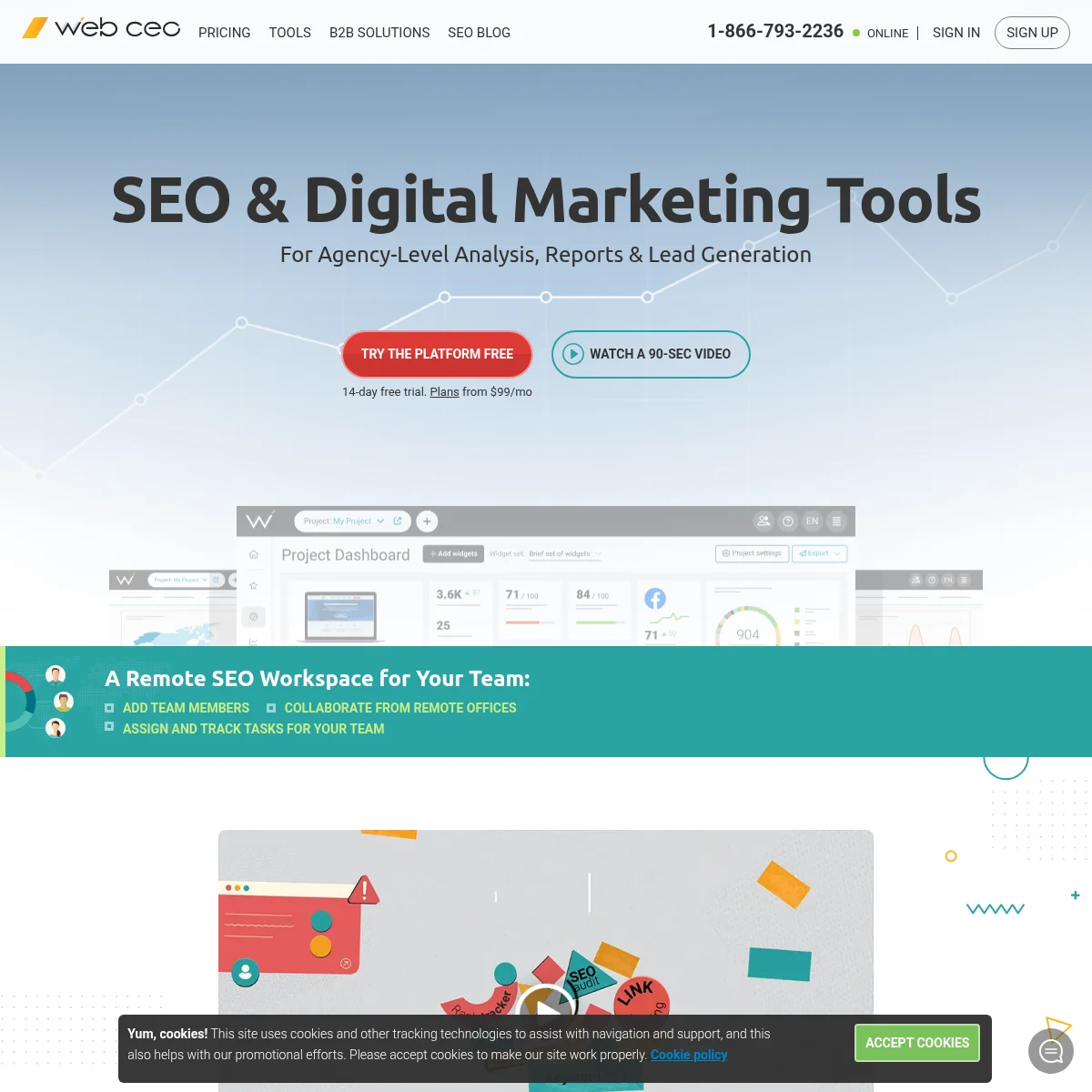
Agency-Level SEO Platform & Digital Marketing Tools
Interactive Form Builder, Conversational Data Collection, and User Feedback Platform
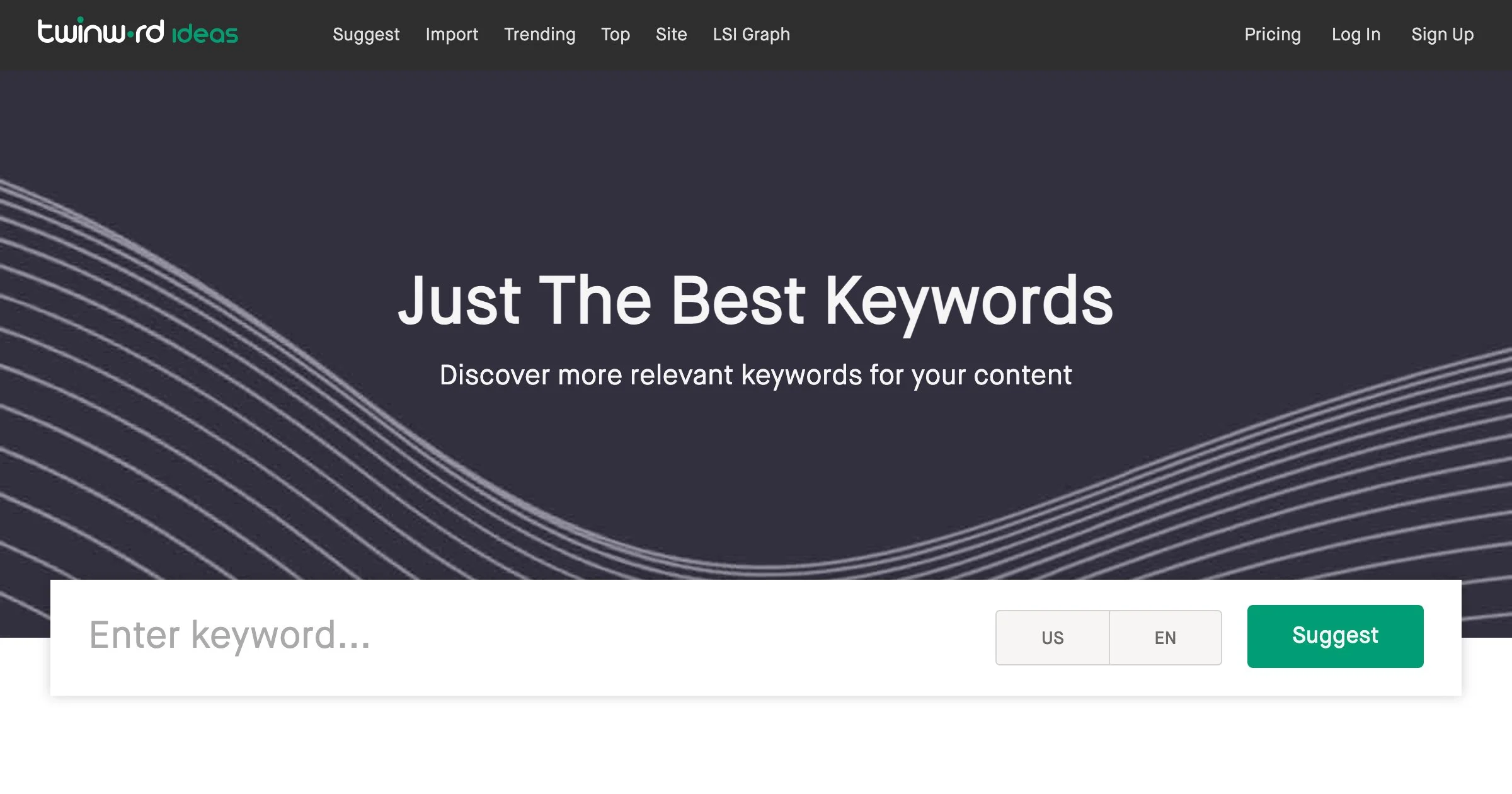
AI-Powered Keyword Research & LSI Keyword Generator
Global Consumer Insights, Trend Intelligence, and Innovation Strategy Platform
Trend Discovery, Innovation Research & Market Trend Forecasting Platform
Enterprise Business Intelligence, Interactive Data Visualization, and Visual Analytics Platform
Cloud-Based Questionnaire, Enterprise Market Research, and Feedback Management Platform
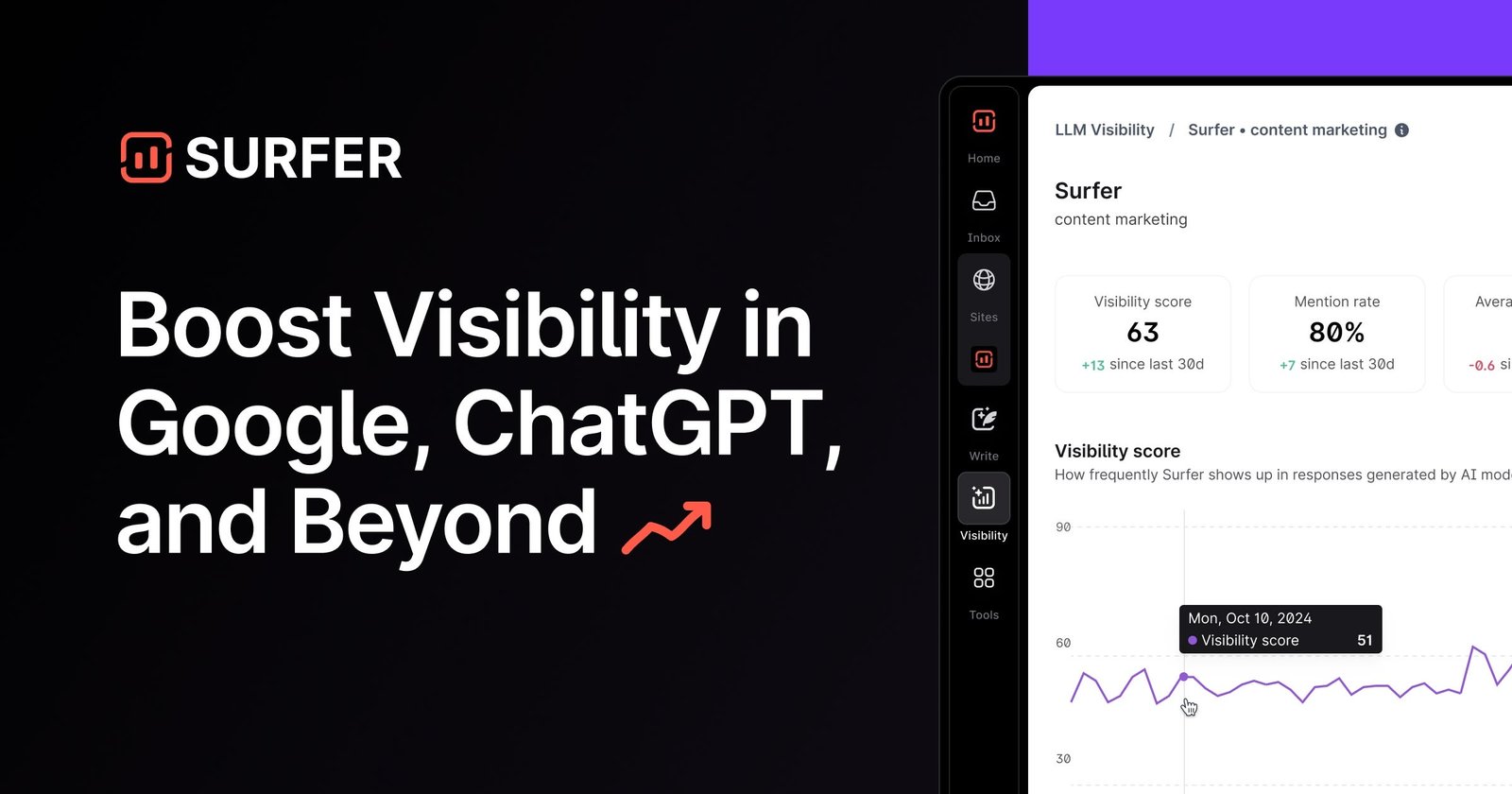
AI SEO and Content Optimization Platform
Marketing Data Integration & Pipeline Platform
Real-Time Web Traffic Monitoring & Visitor Analytics Platform
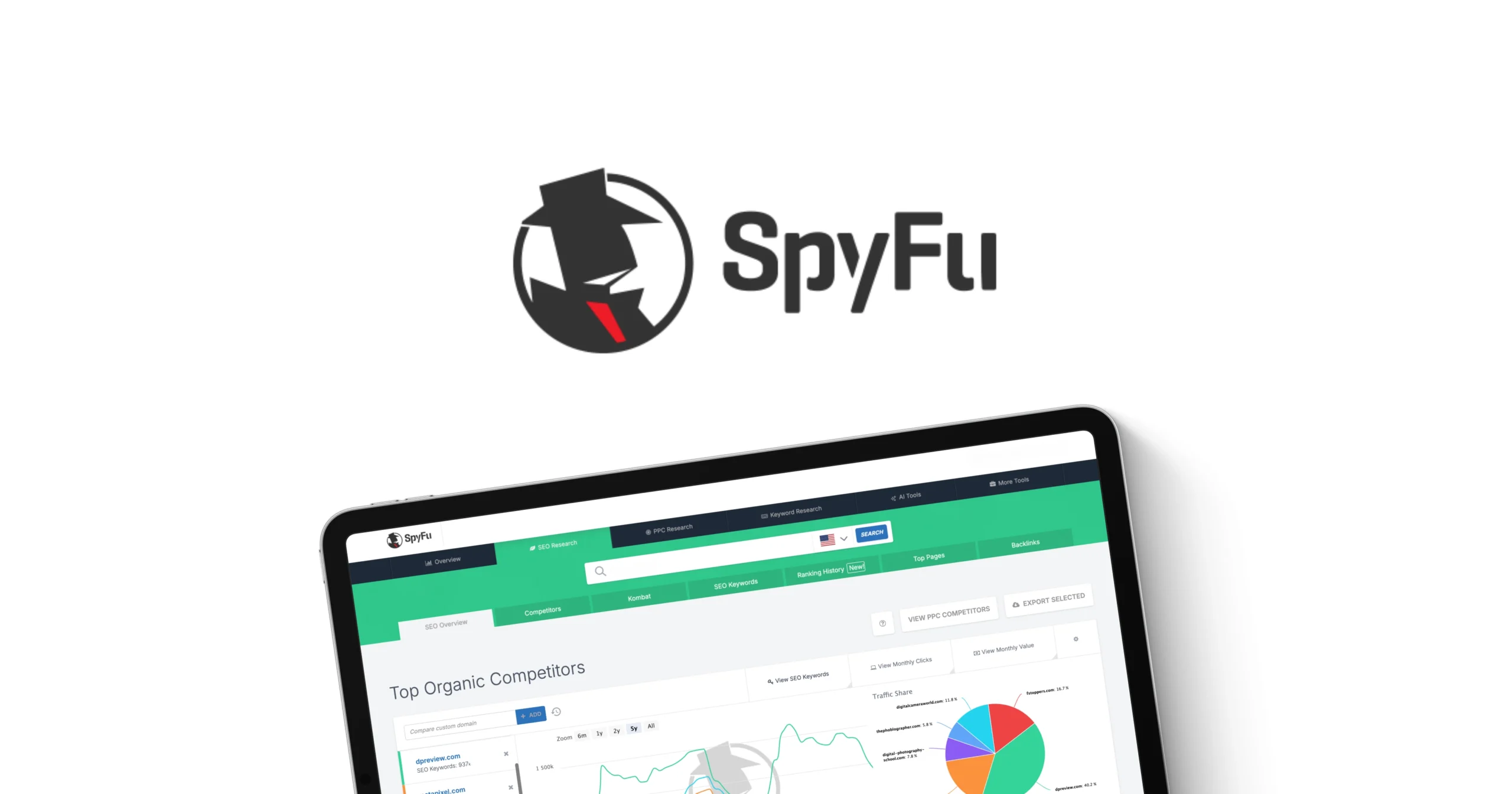
Competitive Intelligence Platform for Search Engine Optimization (SEO) and Pay-Per-Click (PPC) Audit
Worth exploring us? Bookmark! so you don't forget the URL.
Stop testing random tools. 320+ AI tools for UI, branding, 3D, motion, illustration and more — curated and reviewed by designers who use them daily.
Frequently Asked Questions About AI SEO & Analytics Tools
AI-Powered Design Tools for Creative Workflows, Layout & Prototyping
What is the best AI SEO tool in 2026?
For a comprehensive all-in-one SEO platform, **Semrush** and **Ahrefs** are the two tools professional SEO teams rely on most — Semrush is stronger for competitive research and content tools, Ahrefs is stronger for backlink data and keyword explorer. For **on-page content optimization specifically**, Surfer SEO is the category standard. For **technical SEO audits**, Screaming Frog and Sitebulb go the deepest. For **free tools that are genuinely useful**, Google Search Console gives you data no paid tool can replicate.
What is the difference between Semrush and Ahrefs?
Both are comprehensive SEO platforms with overlapping features. **Semrush** is stronger for: competitive research, content marketing tools (Topic Research, SEO Writing Assistant), local SEO, and its integration with Google Ads data. **Ahrefs** is stronger for: backlink analysis (the most accurate backlink database in the industry), keyword explorer depth, and site audit accuracy. Most professional SEO teams end up with one or the other based on which feature set they use most. If you are doing a lot of content-led SEO, Semrush tends to win. If backlinks and link-building are central to your strategy, Ahrefs is worth the investment.
How does AI help with keyword research?
AI improves keyword research in several ways: (1) **Keyword clustering** — grouping thousands of keywords by topic and intent automatically, which would take hours manually; (2) **Intent classification** — identifying whether a keyword is informational, commercial, or transactional so you can match content type to intent; (3) **Difficulty prediction** — estimating how hard a keyword is to rank for based on the strength of existing ranking pages; (4) **Opportunity identification** — surfacing keywords where the current top-ranking content is weak and a well-executed piece could rank quickly. Tools like Semrush, Ahrefs, and SE Ranking all use AI models for these predictions.
Is Google Search Console free and is it worth using?
Yes, Google Search Console is completely free and it is one of the most valuable SEO tools available regardless of what paid platform you use. It shows you: which queries are bringing people to your site (and at what position), which pages have the most impressions and clicks, technical errors Google is encountering when crawling your site, Core Web Vitals performance for each page, and which pages have been indexed. No third-party tool has this data directly from Google. It should be set up on every website regardless of whether you are using any paid SEO tools.
What is Surfer SEO and how does it differ from other SEO tools?
Surfer SEO is specifically an on-page content optimization tool — it is not a comprehensive SEO platform like Semrush or Ahrefs. What it does specifically: it analyzes the top 20 ranking pages for your target keyword and builds a content model (word count, heading structure, keyword frequency, topic coverage, NLP terms) that a well-optimized page should match. As you write in Surfer’s editor or Google Docs, it shows you a real-time content score and flags what is still missing. It is most useful for writers and content teams optimizing individual pages. For keyword research and site-wide strategy, you still need a platform like Semrush or Ahrefs alongside it.
How do AI tools help with Google AI Overviews (AIO)?
Google’s AI Overviews now appear for a significant portion of informational search queries, showing an AI-generated summary at the top of the results. To appear in AI Overviews, your content needs: (1) a clear, concise answer to the target question within the first 100 words; (2) good E-E-A-T signals (authoritative author, real experience, factual accuracy); (3) properly structured content (Q&A format, clear headings, logical flow); (4) FAQPage schema markup on FAQ sections. Tools like Semrush and Ahrefs are beginning to add AIO tracking to their rank monitoring — check which keywords are generating AIO results and optimize those pages first.
What are Core Web Vitals and do AI tools help with them?
Core Web Vitals are Google’s three performance metrics: **LCP** (Largest Contentful Paint — how fast your main content loads), **INP** (Interaction to Next Paint — how quickly the page responds to user interaction), and **CLS** (Cumulative Layout Shift — whether elements jump around as the page loads). They are a confirmed ranking factor. Tools like **PageSpeed Insights** (free, from Google), **GTmetrix**, and **Screaming Frog** flag CWV issues at the page level. Fixing them typically requires development work — AI tools surface the problems, but the fixes are usually code-level.
Can small businesses do SEO effectively without a paid tool?
Yes — especially in the early stages. Google Search Console, Google Analytics 4, and Google Keyword Planner are all free and collectively give you: search traffic data, keyword opportunity research, position tracking for your own site, and technical error reporting. Where free tools fall short: competitor keyword research (seeing what others rank for), backlink analysis, and bulk keyword discovery. Once you are consistently publishing content and SEO is producing measurable results, the investment in Semrush or Ahrefs pays for itself through better targeting. Until then, the free tools are genuinely enough to start.
Get New AI design tools Update in your inbox, every Monday.