Best AI Video & Reels Tools for Marketing Teams Who Cannot Afford a Production Studio (2026)

Video is the highest-performing content format across every major platform right now. The problem is that traditional video production is expensive, slow, and requires skills most marketing teams do not have in-house. AI video tools have changed that completely. You can now generate a spokesperson video from a script without filming anything, turn a blog post into a narrated video in 20 minutes, dub your content into 30 languages for international markets, and produce social media Reels without a camera or editing software. We have tested 30+ AI video tools used by marketing teams. This list covers what actually works for different video marketing use cases — not just what has the best demo.

Wave.video

Online Video Editor and Live Streaming Platform

Vimeo

AI edits footage into polished videos

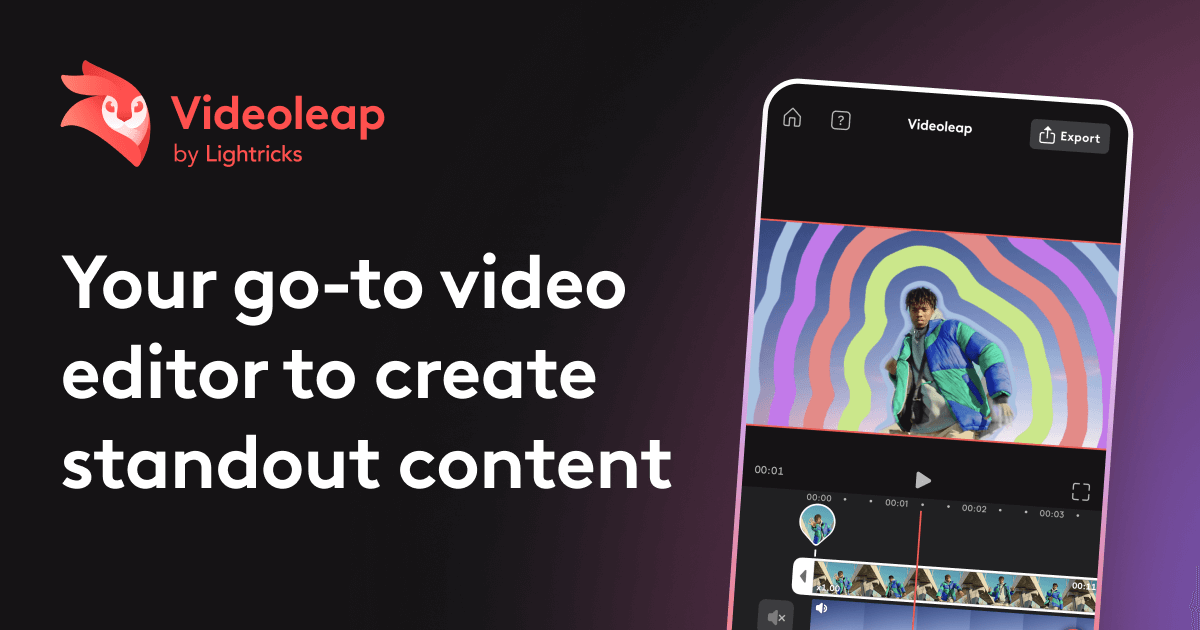
VideoLeap

Mobile video editor with cinematic effects

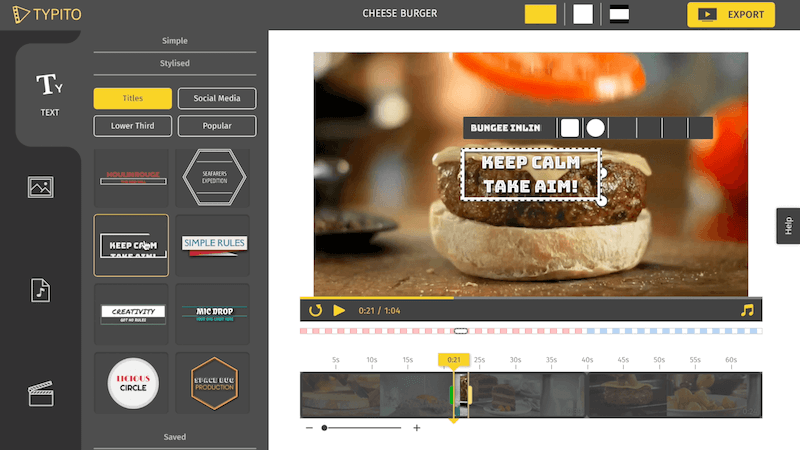
Typito

Add overlays and make videos quickly

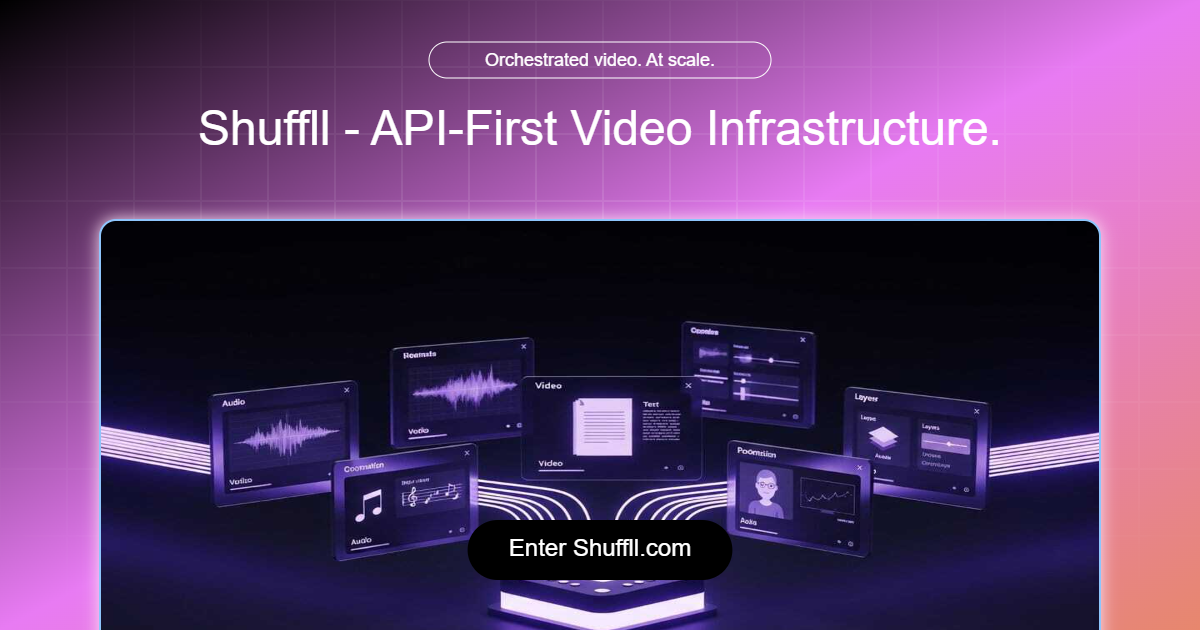
Shuffll

API-First Video Infrastructure

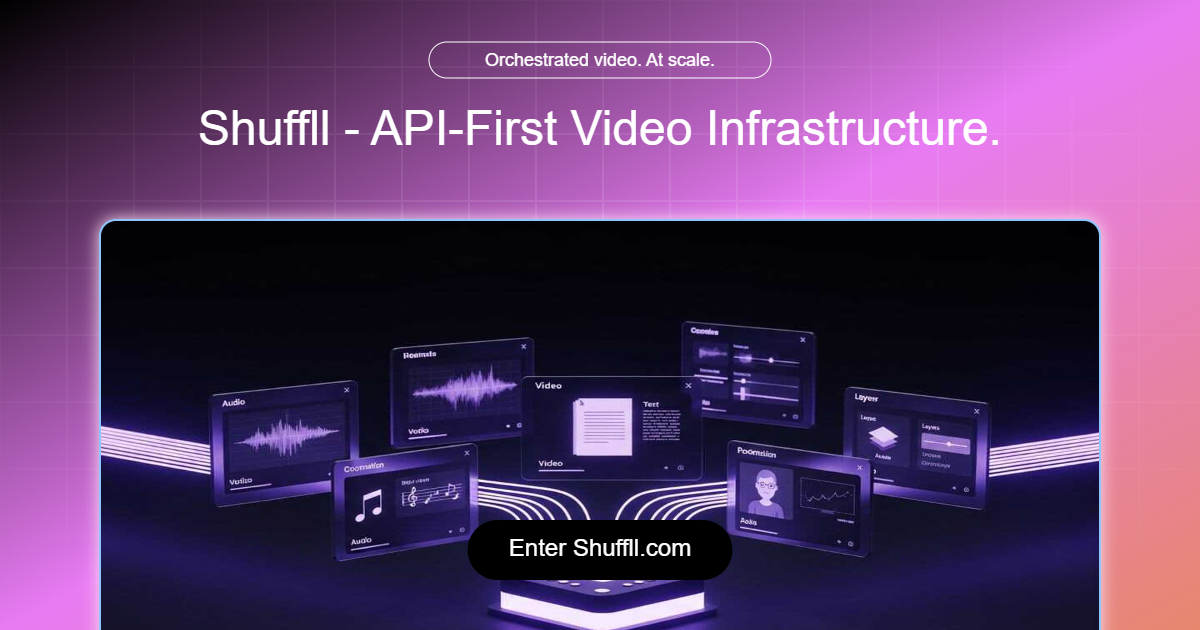
Shuffll

AI-Powered Virtual Video Production Studio

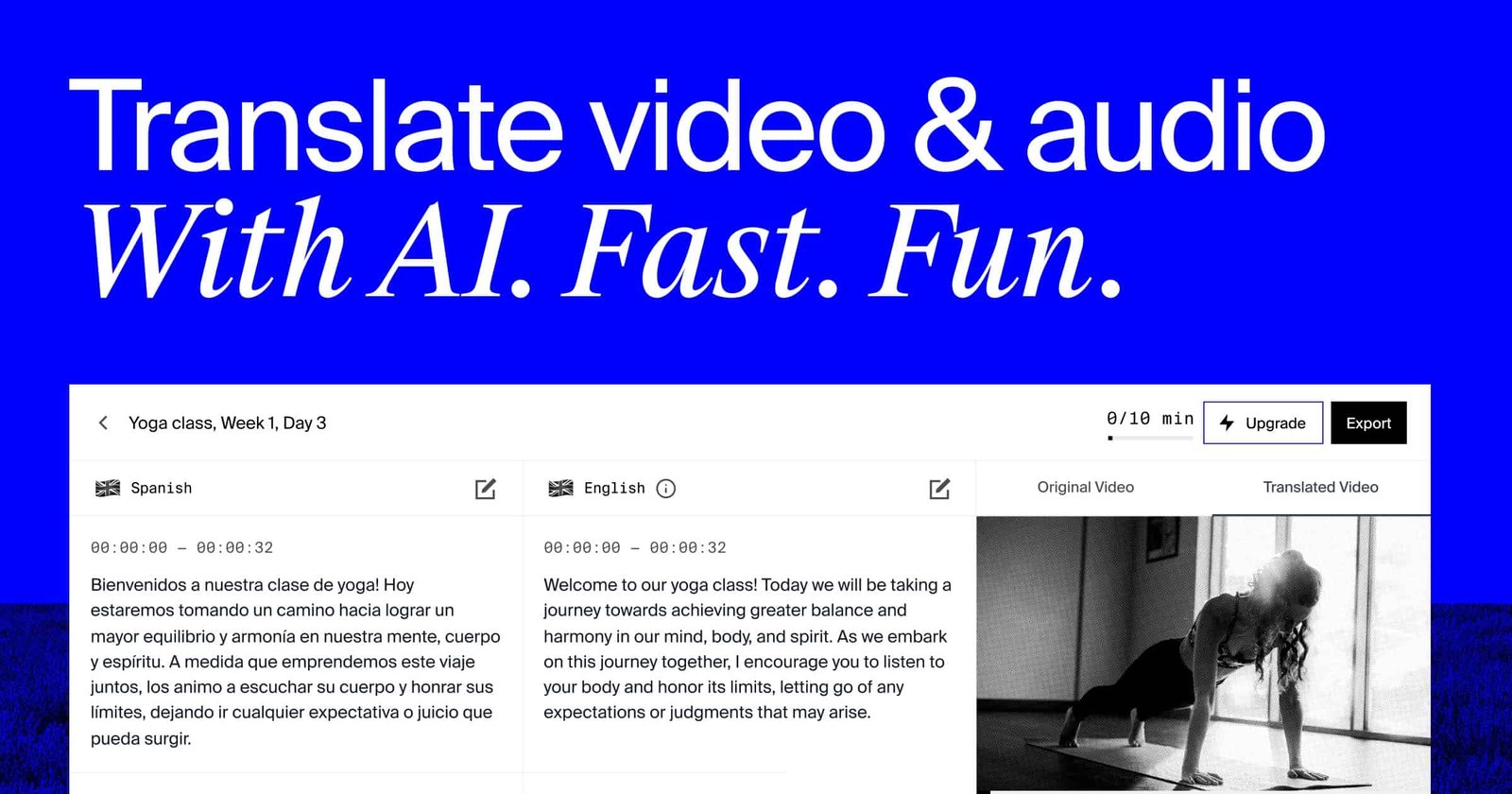
Rask AI

All-in-One AI Video Localization & Dubbing Tool

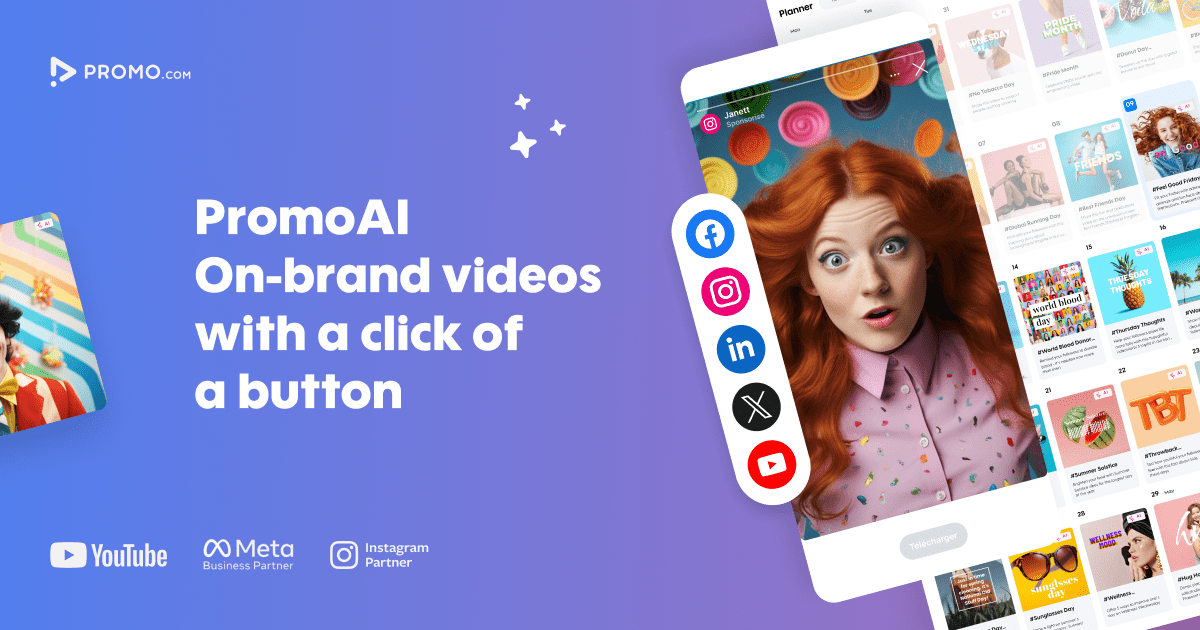
PromoAI

On-Brand Videos with a Click of a Button

PromoAI

On-Brand Videos with a Click of a Button

Pictory

The World’s Best-Loved AI Online Video Editor

Perso AI

Professional AI Video Dubbing & Lip-Sync Platform

Lumen5

Make Thumb-Stopping Videos in Minutes

Don't Lose This. Bookmark aimarketingtools.best.

30+ AI video and reels tools reviewed · Updated July 2026 · Tested for marketing, social media, and corporate video use cases

Frequently​ Asked Questions

AI-Powered Design Tools for Creative Workflows, Layout & Prototyping

What is the best AI video tool for marketing in 2026?

It depends on what kind of video you are making. For **AI avatar and spokesperson videos**, Synthesia and HeyGen are the category leaders. For **turning long content into short clips**, Pictory and Vidyo.ai are the most used tools. For **AI-generated footage from text prompts**, Runway’s Gen-3 produces the highest quality output. For **short-form social video from templates**, InVideo is the most flexible marketing-focused option. For **AI voiceover**, ElevenLabs produces the most natural results. For **beginners with no editing experience**, Veed.io is the easiest to start with.

Yes — and the quality has improved dramatically in the past 18 months. Synthesia and HeyGen produce AI presenter videos where the lip-sync, expression, and delivery are realistic enough that most viewers at normal watching speed cannot tell the difference. The limitations are: (1) they work best with scripted, controlled delivery — not conversations or interviews; (2) emotional range is still somewhat limited compared to a real actor; (3) complex gestures or physical demonstrations need a real presenter. For explainers, product demos, training videos, and any scripted content, AI avatar videos are production-ready.
AI clip extraction tools like Vidyo.ai and Pictory use a combination of transcript analysis, engagement prediction models, and visual scene detection to identify the moments in a long video most likely to perform well as a standalone short clip. They then automatically cut those sections, add captions (often translated), format for the target platform, and add intro/outro if needed. The AI does not always get the selection perfect — most teams review the suggested clips and make minor adjustments — but it compresses what used to be hours of editing into about 10 minutes of review.

Strong free options: **Veed.io** (free tier with watermark for basic editing and subtitle generation), **InVideo** (free plan with 10 video exports per week), **Canva** (free video templates and basic AI editing), **CapCut** (completely free with strong AI editing features for TikTok and Reels), and **Runway** (free credits for AI video generation). For voiceover, **ElevenLabs** has a free tier with limited monthly characters. Synthesia and HeyGen both offer free trials but require a paid plan for production use.

For most marketing video use cases, AI voiceover from ElevenLabs or Murf AI is now production-quality — the voices sound natural, support multiple languages, and can be generated in minutes rather than days. The limitations: (1) for very high-profile brand campaigns where emotional authenticity matters, a human voice actor still delivers better results; (2) complex emotional variation across a long script is harder for AI to handle consistently; (3) some audiences and brands specifically value the authenticity of real human voices. For everything else — explainer videos, product demos, e-learning, social ads — AI voiceover is typically good enough and significantly faster and cheaper.

For Reels and TikTok content: **CapCut** (TikTok’s own editor — most native integration, trending audio, auto-captions), **Vidyo.ai** (best for clipping long content into Reels-format clips automatically), **Predis AI** (generates short-form video scripts and captions trained specifically on TikTok/Reels content style), **Veed.io** (easiest for adding subtitles and formatting for vertical video), and **InVideo** (templates specifically formatted for Reels and TikTok). Auto-captioning is now table stakes — do not use a tool that does not generate captions automatically, since 80%+ of Reels are watched without sound.

Yes — the technology has improved significantly. **HeyGen’s video translation** feature dubs video content into 40+ languages with lip-sync adjustment, making it appear as though the speaker is actually speaking the target language. **ElevenLabs** offers high-quality multilingual voice dubbing with voice cloning. **Papercup** is the enterprise-grade option for publishers doing high-volume multilingual content. Accuracy is generally good for clear, scripted speech. Colloquial language, strong accents, and fast-paced dialogue are still harder for AI to handle without errors. For high-stakes multilingual content, a native speaker review pass is still recommended.

Yes — both Meta and Google allow AI-generated video content in paid ads, provided the content complies with their advertising policies (no misleading claims, no prohibited content categories). Both platforms also require disclosure for certain types of AI-generated content in political advertising. For product ads, explainers, and brand awareness campaigns, AI-generated video is fully accepted. Neither platform currently requires a blanket “AI-generated” label on general marketing video content.

Get the Best New AI Video Tools in Your Inbox Every Monday

Get New AI design tools Update in your inbox, every Monday.