Best AI Email Marketing Tools That Actually Improve Open Rates & Revenue (2026)

Email still gives better return than almost every other marketing channel — if you are doing it properly. The problem is most teams are not. They are spending hours writing campaigns manually, guessing send times, ignoring segmentation, and wondering why open rates keep dropping. AI email marketing tools fix the execution layer: they write better subject lines, find the right send window for each subscriber, segment automatically, and keep your emails out of spam. We have reviewed 30+ AI email tools. This list has only the ones that hold up in real campaigns — sorted by use case, not alphabetical order.

Yesware

Sales Engagement & Email Productivity Software (by Vendasta)

Woodpecker

A specialized cold email and LinkedIn automation tool focused on safely scaling

WebEngage

Omnichannel Marketing Automation & Email Platform

Twilio SendGrid

AI-Powered Email Delivery & Marketing Platform

Superhuman

AI-Native Email Client & Productivity Platform

SmartWriter

AI-Powered Hyper-Personalized Cold Emails and Automated Sales Outreach Platform

Smartlead.ai

A scalable cold email and sales engagement platform built for high-volume outreach.

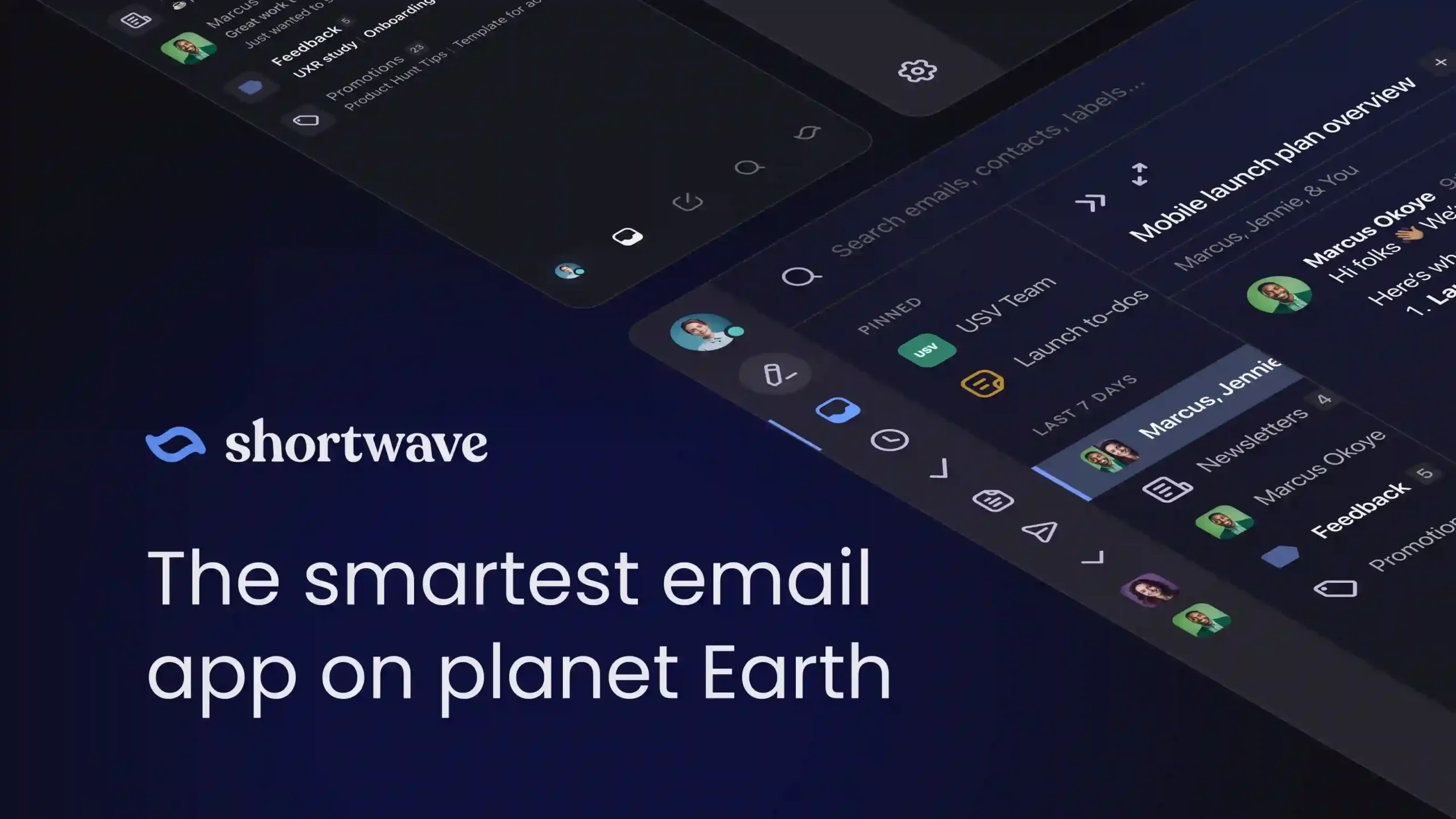
Shortwave

AI-Powered Email Client & Inbox Management App

Sendy

Self-Hosted Email Newsletter & Tracking Application

Sendloop

Email Marketing & Newsletter Automation Software

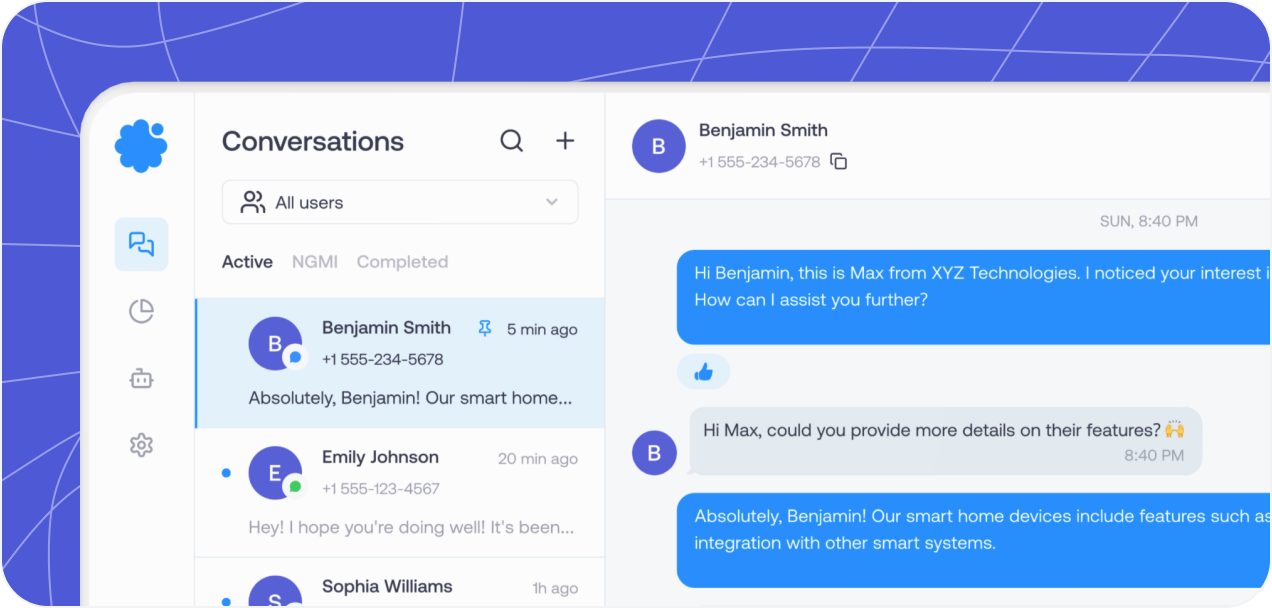
Sendinblue

AI Email Marketing and Customer Messaging Platform

SaneBox

AI-Powered Email Management & Inbox Cleaner

Don't Lose This. Bookmark aimarketingtools.best.

30+ AI email marketing tools reviewed · Updated July 2026 · Tested across ecommerce, B2B, and creator workflows

Frequently​ Asked Questions About AI Email Marketing Tools

AI-Powered Design Tools for Creative Workflows, Layout & Prototyping

What is the best AI email marketing tool in 2026?

It depends on what you are using email for. For ecommerce, **Klaviyo** is the clear leader — its predictive analytics, Shopify sync, and flow builder are built for online stores. For B2B, **ActiveCampaign** has the best automation logic at a reasonable price, while **HubSpot** is better if you want everything in one system. For newsletters, **Beehiiv** is the strongest option in that segment right now. For small businesses just starting out, **MailerLite** has the best free plan. There is no single best tool — only the best tool for your situation.

AI improves email in five specific ways: (1) **Subject line optimization** — predicts which variants get higher open rates based on your list’s history; (2) **Send-time personalization** — sends each subscriber’s email when they are most likely to open it rather than blasting everyone at once; (3) **Predictive segmentation** — identifies who is likely to buy, churn, or re-engage before it happens; (4) **Copy generation** — writes email content in your brand voice faster; (5) **Automated A/B testing** — runs tests and shifts traffic to winners without you checking a dashboard every hour.

They are built for different customers. **Mailchimp** is a general-purpose email tool — it works for most business types but does not specialize in any of them. It is easy to use and most people already understand it. **Klaviyo** is built specifically for ecommerce — real-time Shopify sync, purchase history segmentation, and a flow builder designed around the ecommerce customer journey. For non-ecommerce businesses, Mailchimp is usually fine. For ecommerce, Klaviyo is almost always worth the higher price.

Best free options: **MailerLite** (1,000 subscribers with automation — genuinely the strongest free plan), **Brevo** (300 emails per day, unlimited contacts), **Mailchimp** (500 contacts, more limited than before), **HubSpot** (free CRM with basic email included), and **Klaviyo** (250 contacts with full feature access). Plan for where your list will be in 6 months, not just today.
Deliverability is the difference between your email landing in inbox versus spam — and it directly determines your email revenue. AI tools help by flagging spam-trigger words before you send, checking your email against filters used by major providers, monitoring your sender reputation score, and automating list hygiene (removing invalid addresses, running re-engagement campaigns for inactive subscribers). Tools like **GlockApps** and **Mail-Tester** are built specifically for deliverability testing. Most major platforms also have built-in deliverability monitoring in their dashboards.

Yes — if you set it up properly. The tools that produce the least robotic email copy are ones you train on your existing best-performing emails first. **Jasper** and **Copy.ai** let you define a brand voice with examples. **Mailchimp’s AI** generates copy based on your past campaigns. The key is giving the tool context — examples of emails that performed well and match your tone. Default AI-generated email with no context usually sounds generic. Give it constraints and the output gets significantly better.

The strongest automation-focused tools are: **ActiveCampaign** (most flexible automation logic — branching, lead scoring, site tracking), **Klaviyo** (best flows for ecommerce), **Customer.io** (strongest for product and SaaS lifecycle emails), **Drip** (solid for mid-market ecommerce), and **HubSpot** (good if you are already in the HubSpot ecosystem). For connecting your email tool to other software, **Zapier** and **Make** can fill automation gaps that native features cannot cover.

There is no universal right answer — it depends on list quality, subscriber expectations, and how much useful content you have. What AI tools show consistently across large datasets: frequency matters less than relevance. A list getting 4 emails per month of genuinely useful content outperforms one getting 1 generic email per month. Platforms with AI send-frequency optimization like Klaviyo and ActiveCampaign tune this per subscriber — sending more to engaged subscribers and less to ones showing fatigue signals.

Get the Best New AI Email Marketing Tools in Your Inbox Every Monday

Get New AI design tools Update in your inbox, every Monday.