Best AI Campaign Automation Tools That Run Your Marketing Even When You Are Not Working (2026)
Running campaigns across email, social, paid ads, and CRM simultaneously — manually — is simply not sustainable for most marketing teams. You end up spending 80% of your time on execution and 20% on strategy. That ratio should be the other way around. AI campaign automation tools handle the operational layer: segmenting audiences, triggering messages based on behaviour, running A/B tests, redistributing budget toward what is working, and reporting across all channels in one place. Your campaigns keep running, optimizing, and nurturing leads around the clock without you doing anything after the initial setup. We have tested 25+ AI campaign automation platforms. This list covers the tools that actually reduce your manual workload — not just the ones with the best feature checklist in a sales demo.
The AI Operating System for Business Automation
Enterprise Workflow Automation & Integration Platform (iPaaS)
Open-Source E-commerce & Storefront Management Platform
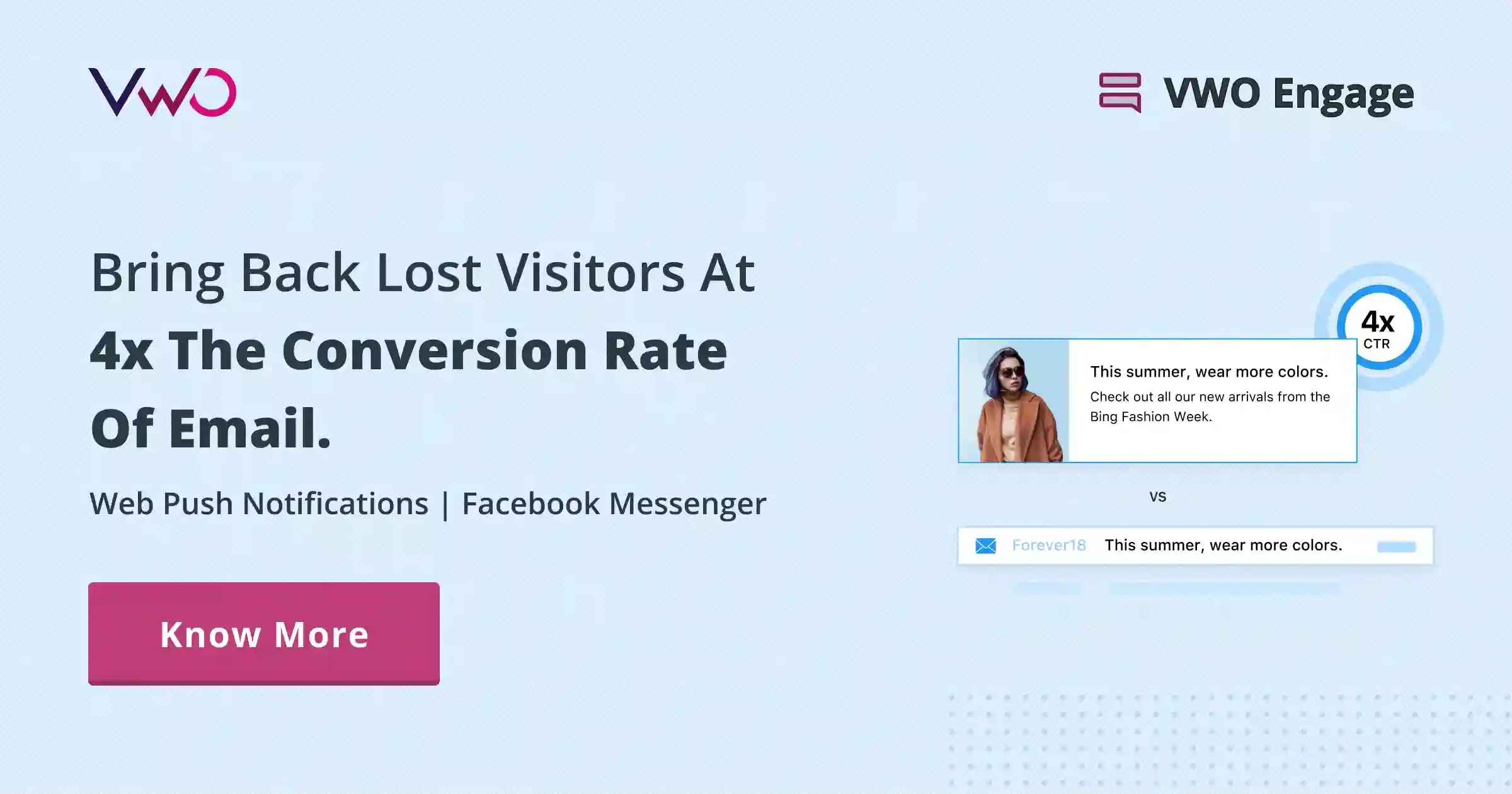
Web Push Notifications & Conversion Optimization Platform
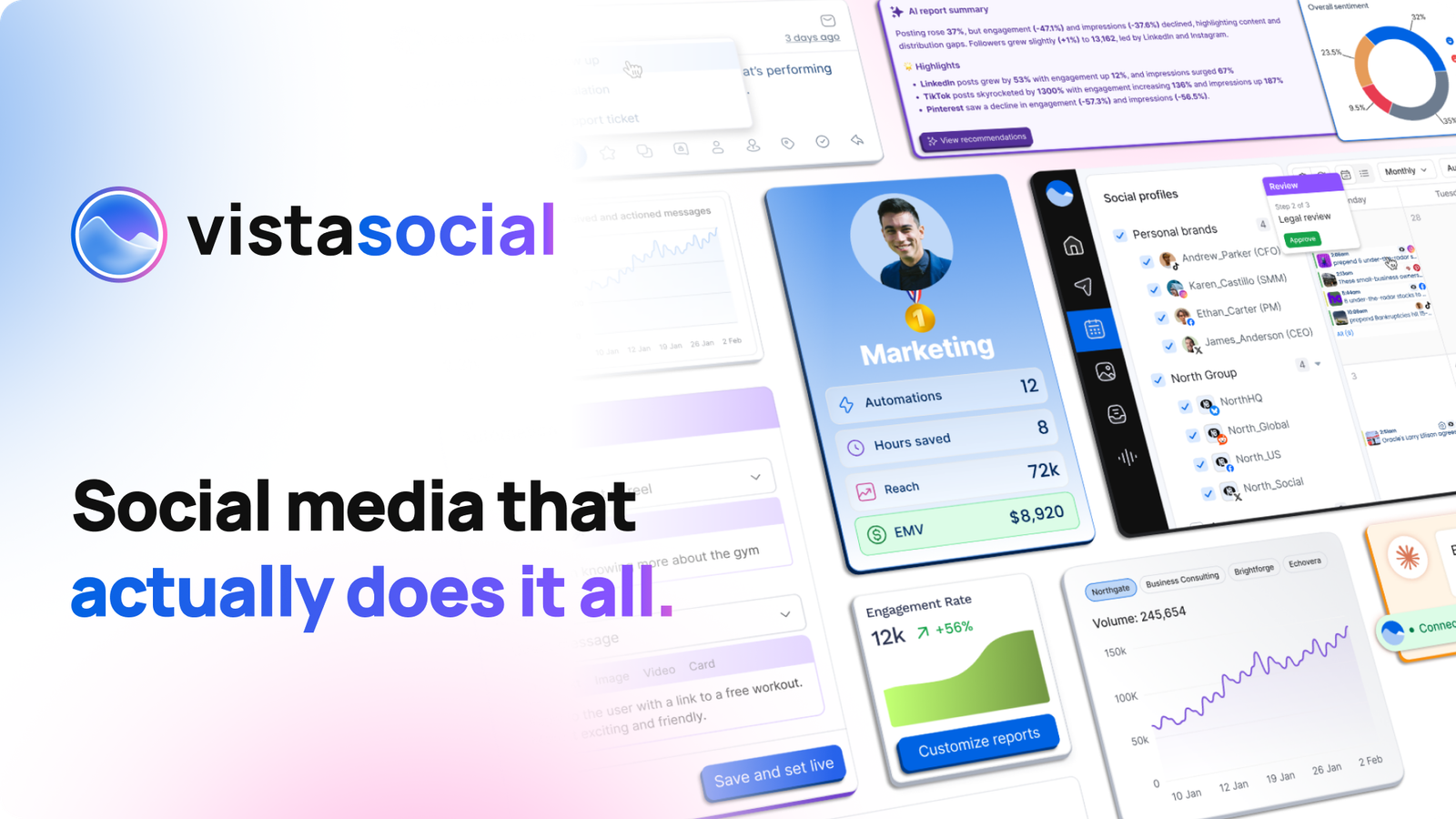
AI-Powered Social Media Management & Reputation Platform
Landing Page Builder & Conversion Optimization Platform
AI-Powered Intelligent Talent Cloud and Enterprise AI-Native Transformation Platform
AI-Powered Workflow Automation & Integration Platform (iPaaS)
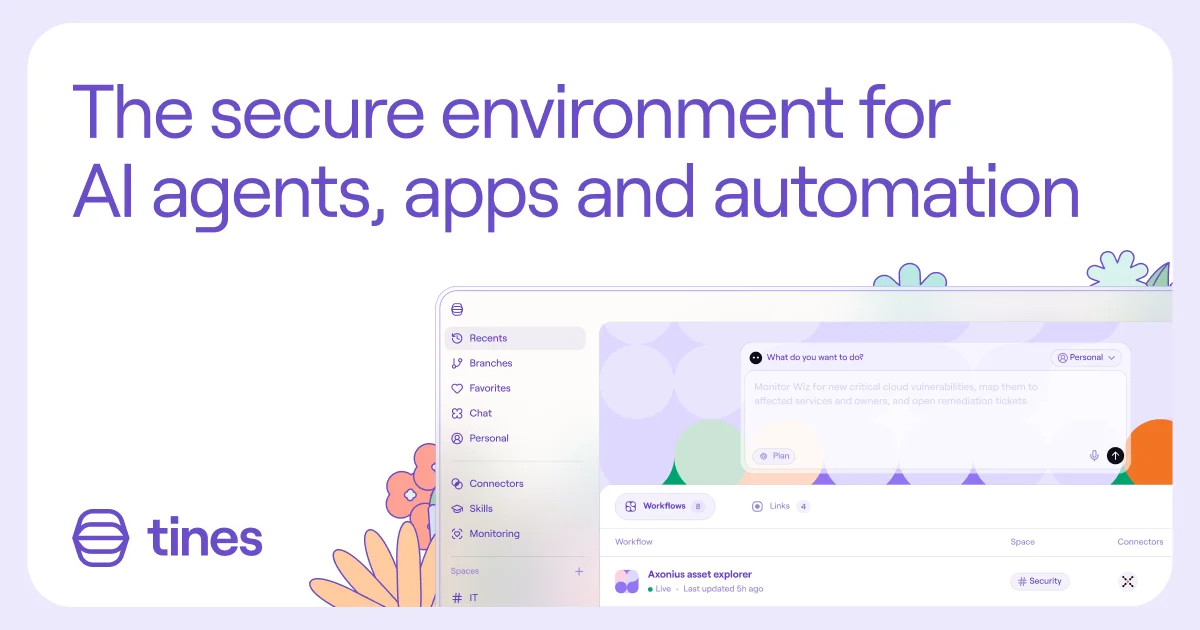
Secure Workflow Automation, App Builder & AI Agent Platform
High-Converting Cart Page Builder, Funnel Platform & Affiliate System
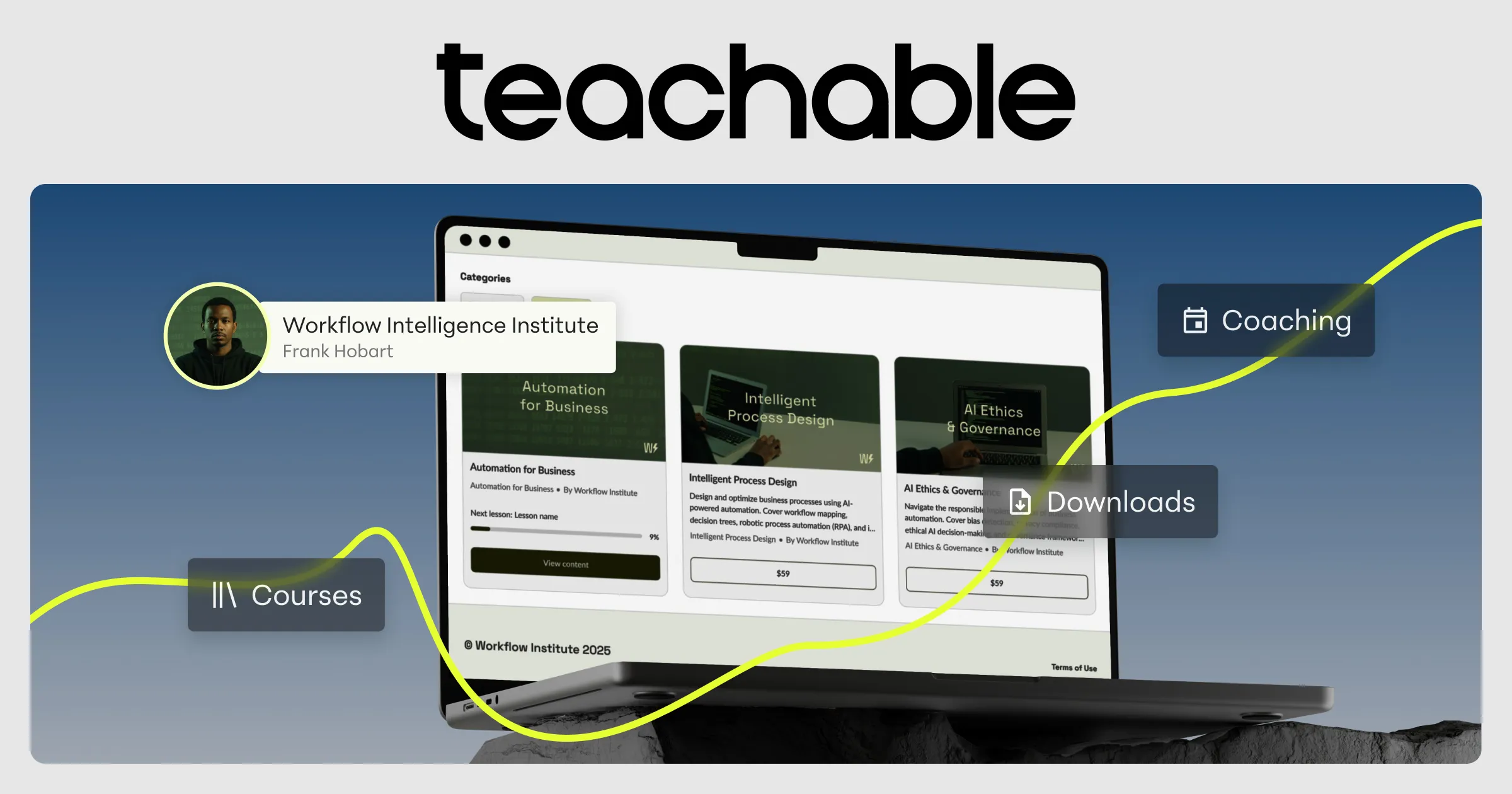
All-in-One Creator Commerce & Knowledge Business Platform
Recurring Revenue & Subscription Management Infrastructure
Don't Lose This. Bookmark aimarketingtools.best.
25+ AI campaign automation tools reviewed · Updated July 2026 · Tested across B2B, ecommerce, and mid-market teams
Frequently Asked Questions About AI Campaign Automation Tools
AI-Powered Design Tools for Creative Workflows, Layout & Prototyping
What is the best AI marketing automation platform in 2026?
For **B2B inbound and full-funnel automation**, HubSpot is the most complete platform — CRM, marketing automation, and sales tools in one system. For **SMBs needing advanced automation at a lower price**, ActiveCampaign has the best automation logic in its price range. For **ecommerce multichannel automation**, Klaviyo leads across email and SMS. For **enterprise marketing automation**, Marketo Engage and Salesforce Marketing Cloud are the standard. For **connecting existing tools without replacing them**, Zapier handles most no-code integrations reliably.
What is the difference between marketing automation and AI-powered automation?
Traditional marketing automation follows fixed rules: “if contact clicks link A, wait 2 days, then send email B.” AI-powered automation adds a prediction layer: it determines who to send to, which message variant will resonate for each individual, what timing is optimal for that specific contact, and which step in the sequence is causing drop-off — then adjusts automatically. The result is campaigns that continuously improve on their own rather than staying static until someone manually updates the rules.
What is the difference between HubSpot and ActiveCampaign?
**HubSpot** is a CRM-first platform — marketing automation is one of several tools built around a shared contact database that also powers sales pipeline, customer service, and operations. Better for teams that want one system of record across marketing and sales. **ActiveCampaign** is automation-first — it has more sophisticated marketing automation logic at a lower price but does not replace a full CRM for complex sales processes. HubSpot is better for B2B growth teams wanting one unified system. ActiveCampaign is better for email-and-automation-focused operations where you already have a separate CRM or do not need one.
How does AI lead scoring work in campaign automation?
AI lead scoring builds a predictive model from your historical converted and non-converted leads — it learns which combinations of behavioral signals (email opens, page visits, content downloads, form submissions, demo bookings) and firmographic attributes (company size, industry, job title) are most predictive of conversion. The model then applies a score (usually 0 to 100) to each new contact in real time and updates it as the contact continues to engage. Marketing automation uses these scores to trigger the right campaign, route leads to sales at the right moment, and suppress cold leads from high-effort campaigns.
How long does it take to set up AI marketing automation properly?
Longer than most vendors tell you. A basic drip sequence with a tool like ActiveCampaign or HubSpot can be live in 1 to 2 days. A complete multichannel automation system with lead scoring, CRM sync, branching logic, and proper attribution typically takes 4 to 8 weeks to configure, test, and iterate on. Teams that rush the setup consistently underperform compared to teams that map their customer journey first, then build automation to match it. Plan for the setup investment upfront — it pays off over months, not days.
Can AI campaign automation tools manage paid ad campaigns?
Yes — specialized tools like Smartly.io automate paid social campaign management: creative rotation, audience targeting, budget reallocation, and performance-based pausing and scaling. Zapier and Make connect paid ad platforms (Meta, Google Ads) to your CRM for trigger-based audience sync. HubSpot also has native ad retargeting automation in its paid tiers. These are different from email automation tools — think of them as automation for the paid channel specifically, not a replacement for your email platform.
What is the best marketing automation tool for small businesses?
Findly.tools is a curated directory of tools and resources for developers, creators, and entrepreneurs. We help you discover the best AI tools, productivi**ActiveCampaign** is the best value for small businesses — genuine AI automation at $15 per month, strong email capabilities, a visual workflow builder, and good documentation. **HubSpot’s free CRM** with basic email automation is the best starting point if you want to test before paying anything. **Mailchimp** is the most widely understood option and works fine for simple automation use cases. **Klaviyo** is the right choice for small ecommerce businesses specifically. Avoid enterprise platforms (Marketo, Salesforce Marketing Cloud) until you have a dedicated marketing operations resource to manage them.ty apps, marketing software, and SaaS products for your next project.
How much can AI marketing automation reduce manual work for a typical team?
Studies consistently show 60% to 80% reduction in campaign execution time once automation is fully operational. Teams that previously spent 20 hours per week on segmenting, scheduling, and reporting report spending 4 to 6 hours on the same outcomes after implementing full automation. The caveat: the first month of setup often takes more time than the manual process it replaces. The return on that setup investment becomes clear at the 60 to 90 day mark when the automation is running, optimizing, and reporting without daily intervention.
Get New AI design tools Update in your inbox, every Monday.