Best AI Market Research Tools That Give You Real Competitive Intelligence (2026)

Traditional market research is slow, expensive, and mostly backwards-looking. By the time a quarterly report lands on your desk, the market has already moved. AI market research tools replace that lag with continuous intelligence — pulling live data from social media, news, review platforms, search trends, and competitor websites, then surfacing insights in hours rather than months. You can see what your competitors changed on their pricing page yesterday, which product complaints your customers are posting about this week, and which trends in your category are accelerating before your competitors notice them. We have tested 25+ AI market research tools across competitive intelligence, brand monitoring, audience research, and trend tracking. This list is what strategy and marketing teams actually use to make faster, better-informed decisions.
WhatRuns

Website Technology Profiler & Competitor Intelligence Platform

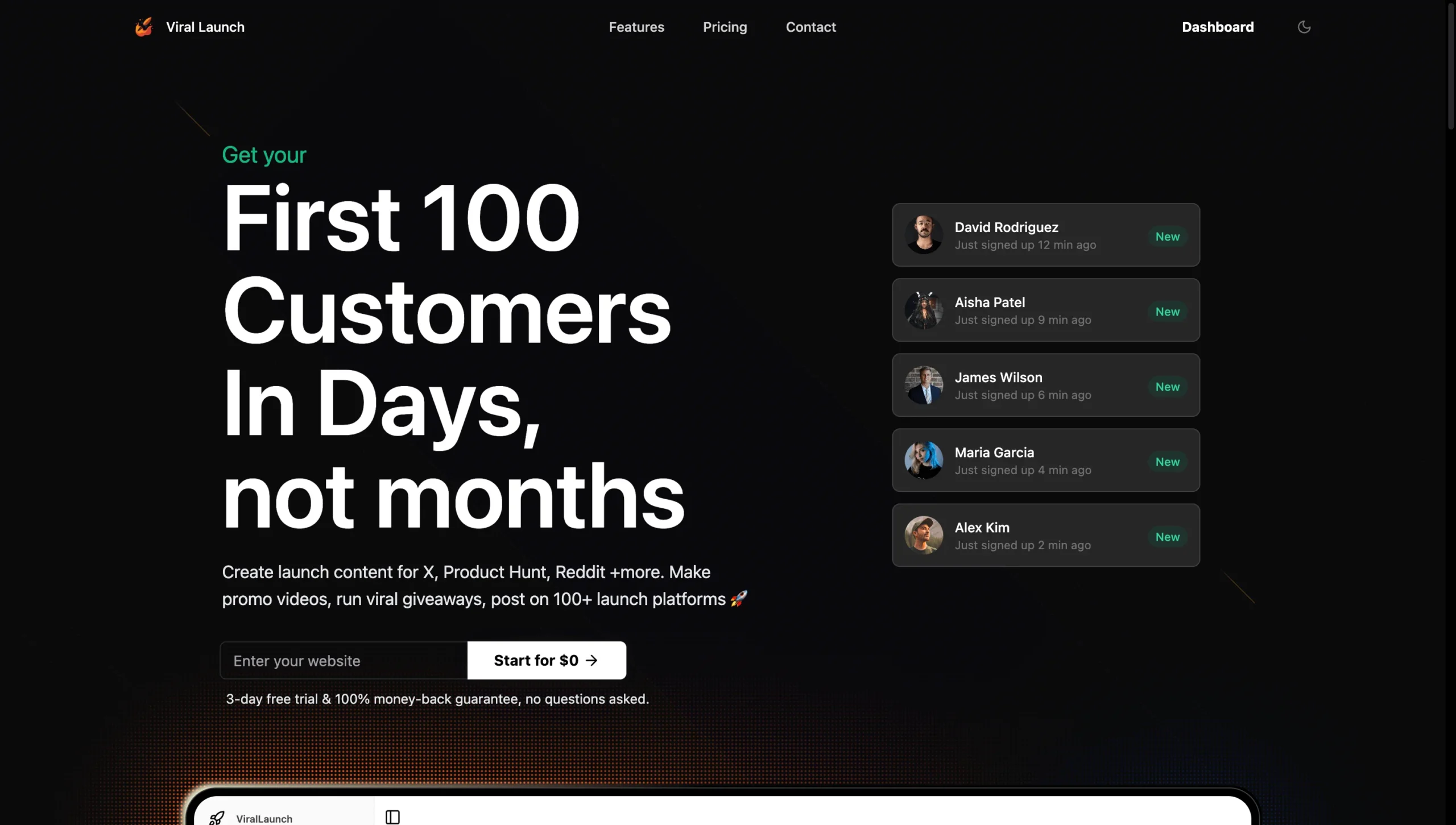
Viral Launch

Startup Product Launch & Growth Marketing Platform

Trend Hunter

Trend Discovery & Market Research Platform

Traackr

Influencer Marketing & Creator Relationship Management Platform

Talkwalker

Consumer Intelligence & Social Listening Platform

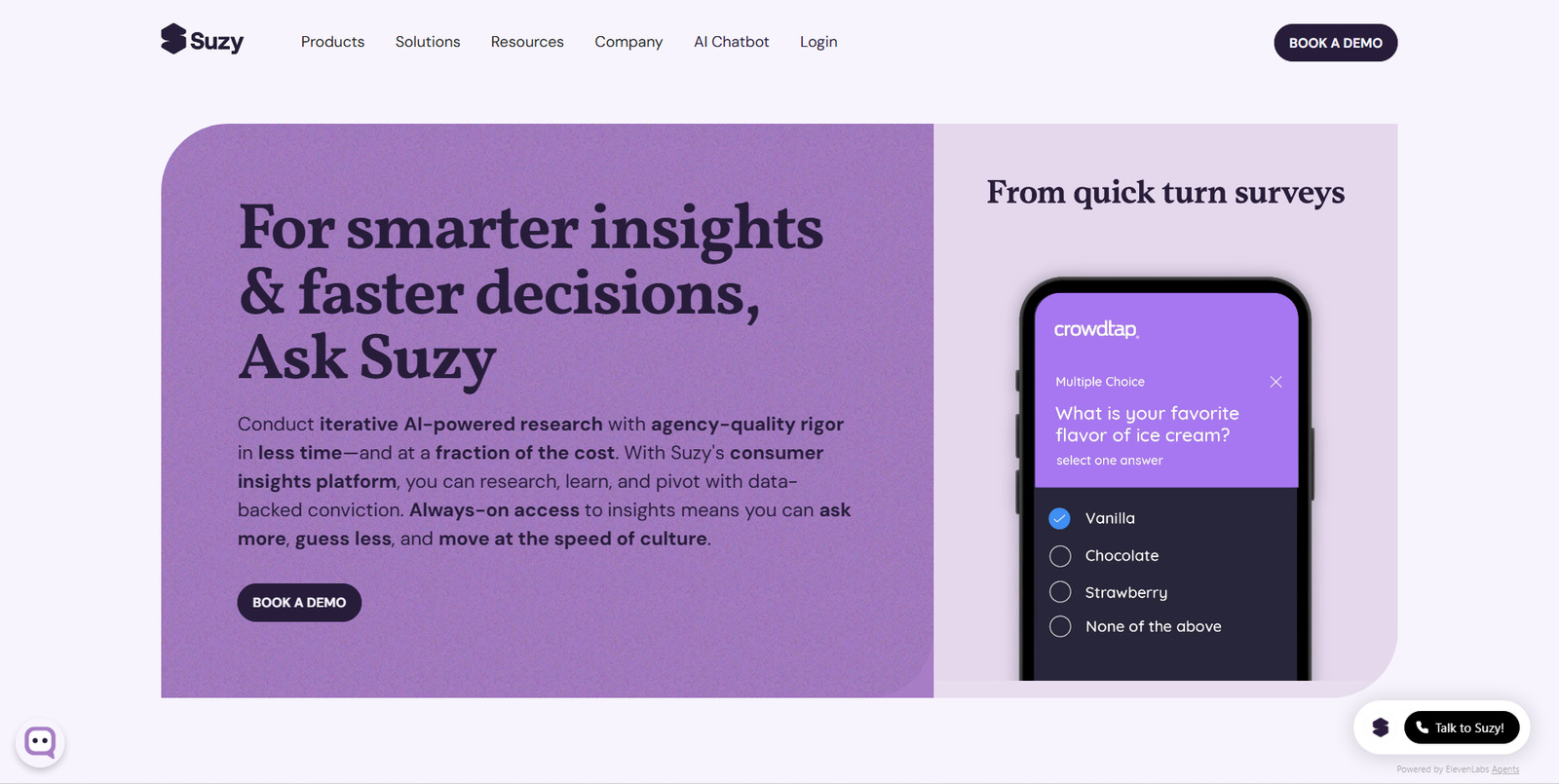
Suzy

On-demand consumer insights via AI

SurveySparrow

Surveys with AI-powered response analytics

Sprinklr Insights

AI analyzes customer behavior globally

Sensor Tower

Mobile App Market Intelligence & Analytics Platform

SellerApp

Amazon Analytics & E-Commerce Optimization Platform

SE Ranking

AI-Powered SEO, Brand Visibility & Agency Management Platform

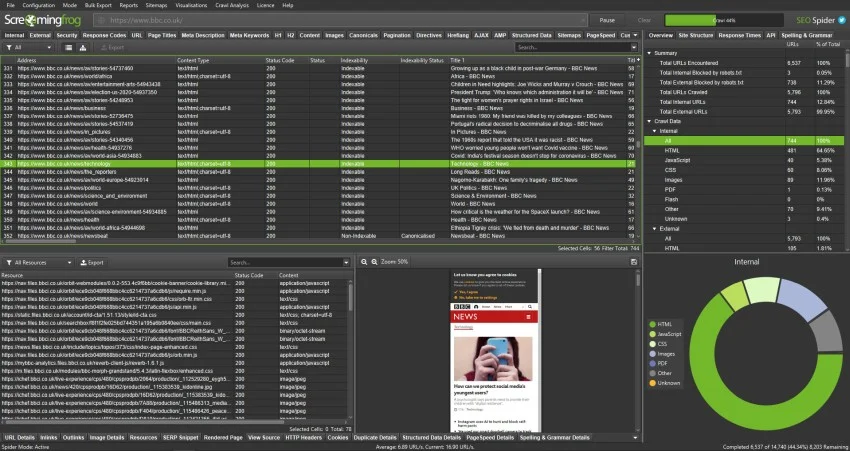
Screaming Frog

Website Crawling, Technical SEO Audit & Data Extraction Platform

Don't Lose This. Bookmark aimarketingtools.best.

25+ AI market research tools reviewed · Updated July 2026 · Tested by marketing, product, and strategy teams

Frequently​ Asked Questions About AI Market Research Tools

AI-Powered Design Tools for Creative Workflows, Layout & Prototyping

What is the best AI tool for competitive market research?

For **competitive intelligence** (tracking competitor websites, pricing, and messaging), Crayon and Klue are the category leaders used by product marketing teams. For **social listening and brand monitoring**, Brandwatch is the enterprise standard. For **audience intelligence** (where your customers actually spend time online), SparkToro is the most useful tool. For **trend discovery**, Exploding Topics has the best free tier. For **website and digital competitive analysis**, Similarweb gives you traffic estimates and audience benchmarks against competitors.

For continuous competitive monitoring, trend tracking, and social listening — AI tools are faster, cheaper, and often more current than agencies. For primary research (custom surveys, focus groups, qualitative interviews), AI tools assist with the analysis and synthesis but do not replace the expertise of designing a good research methodology. The pattern most teams follow: use AI tools for continuous intelligence and rapid-turnaround questions, use agencies for strategic research that requires custom design and expert interpretation.

Consumer sentiment analysis is an AI process that reads large volumes of customer reviews, social posts, and online conversations and classifies the emotional tone — positive, negative, or neutral — toward a brand, product, or topic. Advanced tools go further, identifying the specific aspects being discussed (price, quality, service, design). Accuracy ranges from 75% to 92% depending on the tool, data quality, and industry. It is most reliable for identifying directional trends in how sentiment is shifting over time, less reliable as a precise measurement at any single point.

Exploding Topics monitors search query growth patterns, social discussion velocity, Reddit conversation trends, and product launch data to identify topics that are growing faster than normal before they appear in mainstream media or industry reports. The platform labels trends as “Regular,” “Peaked,” or “Exploding” based on growth trajectory. The most useful application: finding topics in the early phase where there is still time to publish content, launch a product, or enter a market before it becomes competitive. The free tier gives you limited access to trend data — enough to validate the approach before upgrading.

Brand monitoring specifically tracks mentions of your company name, products, executives, and branded terms. Social listening is broader — it monitors conversation about your entire industry, category, competitors, and consumer pain points regardless of whether your brand is mentioned. The distinction matters for tool selection: dedicated brand monitoring tools like Brand24 and Mention are good at the first job. Comprehensive platforms like Brandwatch and Sprout Social handle both, which is why larger teams typically consolidate to one of those rather than running separate tools.

SparkToro is an audience intelligence tool — you describe an audience segment (by what they search for, what websites they visit, or what keywords they use in their profiles) and it shows you: which websites they frequently read, which social accounts they follow and engage with, which podcasts they listen to, which YouTube channels they watch, and which hashtags they use. It is most useful for making channel investment decisions (which publications to advertise in, which creators to partner with, which communities to engage), building more accurate buyer personas, and identifying where your audience hangs out before you try to reach them.

Tools like Crayon, Klue, and Wiser track competitor pricing changes automatically — alerting you when a competitor raises or lowers prices, introduces a new pricing tier, or changes their free/paid boundaries. For e-commerce, tools like Intelligence Node and Prisync monitor competitor product prices in real time. For digital services and SaaS, G2 and Capterra provide competitive review intelligence that shows how customers rate you versus competitors on specific features and value criteria.

Yes — through three main applications: (1) **User feedback analysis** — AI tools like Dovetail and Qualtrics analyze customer interview transcripts, support tickets, and reviews to surface recurring themes and pain points faster than manual review; (2) **Feature gap analysis** — competitive intelligence tools identify which features competitors have that you do not, and which customer complaints they are receiving that represent opportunities; (3) **Market sizing** — tools like Similarweb and Semrush Market Explorer give directional estimates of market size and competitor market share to inform prioritization decisions.

Get New AI design tools Update in your inbox, every Monday.

Get New AI design tools Update in your inbox, every Monday.